Paint does more than add color. It is the first layer of protection between your home and the Texas weather. When it starts to fail, small problems quietly turn into expensive repairs: rotted trim, swollen siding, stained drywall. The good news is that a home almost always shows clear warning signs long before the damage gets serious. Here are the six our crew looks for when we visit houses around Dallas–Fort Worth, what each one means, and what to do about it.
1. Peeling, cracking or bubbling paint
Peeling and blistering usually mean moisture is getting behind the paint film, or that the original coat was applied over a dirty or glossy surface without proper prep. On exterior trim, fascia boards and window sills, peeling paint leaves bare wood exposed to rain and sprinklers, and bare wood rots fast. Indoors, bubbling near bathrooms and kitchens often points to humidity or a slow leak. The fix is to scrape back to a sound surface, sand the edges smooth, prime the bare spots and repaint. Done early, that is a few hours of work; ignored for another season, it can mean replacing boards or drywall.
2. Faded or chalky siding
North Texas sun is hard on paint. South- and west-facing walls fade first, and darker colors fade fastest. Try this simple test: rub your palm across the siding. If it comes away covered in a powdery residue, the paint is chalking. That means the binder that holds the pigment together is breaking down, and the coating no longer sheds water the way it should. Chalky surfaces need to be washed and primed before new paint will stick, which is why power washing is the first step on almost every exterior job we do. Read more in things you need to do before painting your exterior.
3. Gaps, cracked caulk and exposed wood
Walk around the house and look closely at the joints around windows, doors, corner boards and trim. Dallas summers and sudden winter freezes make wood, siding and masonry expand and shrink, and over a few years caulk dries out and cracks. Open gaps let water, hot air and insects inside your walls. You might also notice drafts or higher energy bills. A professional paint job always includes removing failed caulk, re-caulking with a flexible, paintable sealant and sealing exposed end grain before the first coat goes on.
4. Scuffs and stains that will not wash off
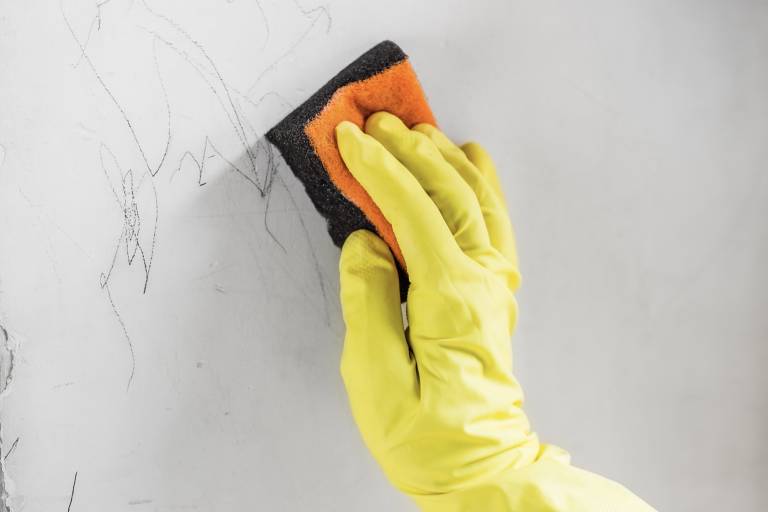
Hallways, kids’ rooms, stairways and kitchens take a beating. When marks no longer come off with gentle cleaning, or the wall shows shiny “burnished” patches where it has been scrubbed too often, it is time to repaint. Flat paint is the hardest to clean, so for busy areas we usually recommend a washable eggshell or satin finish. Our guide to selecting the perfect paint finish explains which sheen works best in each room, and will washing your painted walls ruin them? covers how to clean without damaging the surface.
5. Water stains, mildew or wall damage
Brown rings on a ceiling, gray or black spots in corners, or soft drywall should always be checked before anyone paints over them, because they can point to a roof, plumbing or AC leak. Painting over a stain without treating it is a short-term fix: the mark bleeds back through within weeks. Once the source is repaired, the area needs a stain-blocking primer, and often tape and bed repair or texture matching so the patch blends in and disappears under the new paint.
6. Outdated colors, or you are getting ready to sell
Not every reason to repaint is about damage. Fresh, neutral paint is one of the most affordable ways to raise a home’s appeal before listing it, and buyers notice tired colors in photos. And if you are staying, a new color can make a room you are tired of feel brand new. If you are unsure where to start, see the most popular paint colors for rooms in a home, or book a color consultation and choose with confidence.
How often should a home be repainted in Dallas–Fort Worth?
Every house is different, but in the DFW climate these are good rules of thumb:
- Exterior siding: every 5 to 10 years, depending on the material and sun exposure.
- Exterior trim and doors: every 3 to 5 years.
- Interior walls: every 5 to 7 years, sooner in high-traffic rooms.
- Kitchens and bathrooms: every 3 to 4 years because of moisture and frequent cleaning.
Quality prep and paint stretch those numbers. Learn more in how long will your new paint job last?
Get a free painting estimate
If you spotted any of these signs, Ssay Painting and Remodeling can take a look and give you an honest recommendation, even if the answer is “not yet.” We handle interior painting, exterior painting, prep, repairs and full clean-up across Dallas–Fort Worth. Request a free quote or call (214)-317-6275.
Keep reading
- How long will your new paint job last?
- Things you need to do before painting your exterior
- Painting to match your home’s exterior
- Why professional painting services are worth it