Yes, you should clean your walls before painting, every time. It is the step most do-it-yourselfers skip, and one of the main reasons new paint peels, cracks or looks blotchy. Even walls that look clean carry a thin film of dust, skin oils, cooking grease and household residue that keeps new paint from bonding. Here is why cleaning matters and how professionals prep walls in Dallas–Fort Worth homes.
Why dirty walls cause paint problems
Paint is designed to grip a clean, slightly porous surface. When it is rolled over dust or grease, it bonds to the dirt instead of the wall. The result can be:
- Poor adhesion: paint that peels or lifts off with tape.
- Fish-eyes and craters: small spots where paint pulls away from oily areas.
- Uneven sheen: dull and shiny patches across the wall.
- Bleed-through: stains, smoke residue or marker showing through the new color.
- Gritty texture: dust and cobwebs rolled into the finish.
Which rooms need the most cleaning
Kitchens are the toughest because cooking leaves an invisible layer of grease on walls and cabinets, especially near the stove. Bathrooms collect soap scum, hairspray and mildew. Hallways, light switches and door frames have fingerprints and skin oils. Homes with smokers or fireplaces have nicotine or soot residue that will bleed through unless it is cleaned and sealed.
How to clean walls before painting
1. Dust first. Use a microfiber mop, broom or vacuum brush to remove dust and cobwebs from walls, ceilings, corners and baseboards.
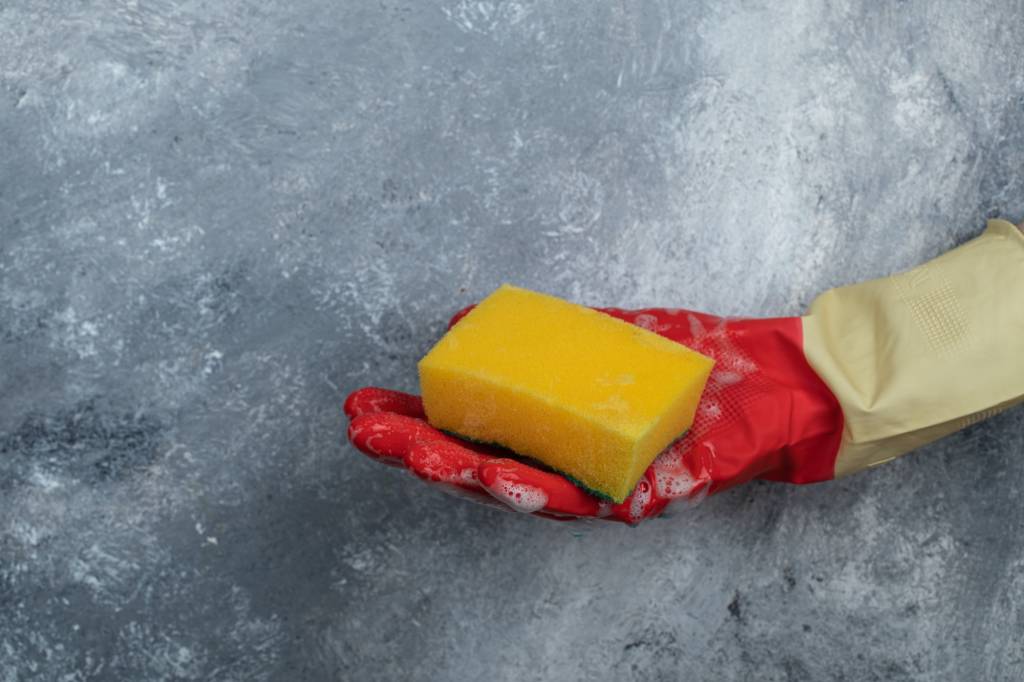
2. Wash with a mild cleaner. For most rooms, warm water with a few drops of dish soap is enough. Work from the bottom up so drips do not leave streaks on dirty wall below, then rinse with clean water.
3. Degrease kitchens. Use a dedicated degreaser or a TSP substitute on kitchen walls, cabinets and anywhere hands touch often. Always rinse well, because cleaner residue can interfere with adhesion just like dirt.
4. Treat mildew. In bathrooms and laundry rooms, clean mildew with a mildew remover or diluted bleach solution, rinse, and fix the ventilation problem that caused it.
5. Let it dry completely. Give walls several hours, or overnight, before priming or painting. Paint over damp drywall can blister.
Cleaning is only part of the prep
After cleaning, a professional crew completes the rest of the preparation:
- Repair: fill nail holes and dents, and fix cracks, nail pops and damaged drywall with proper tape and bed work.
- Match texture: blend patches into orange-peel or knockdown walls with texture matching.
- Sand: smooth patches and scuff glossy surfaces so paint can grip.
- Caulk: seal gaps along trim and baseboards for clean lines.
- Prime: seal patches, stains and bare drywall so the topcoat looks even.
- Protect: cover floors and furniture and mask fixtures and trim.
That full process is a big part of why professional painting services are worth it, and why a well-prepared paint job lasts so much longer. See how long will your new paint job last?
What about exterior walls?
Outside, cleaning matters even more. Pollen, dust, mildew and chalky old paint all stop new paint from bonding. Exteriors should be professionally power washed with the right pressure for the surface and allowed to dry for at least a day before painting. Our checklist of things you need to do before painting your exterior covers the rest.
Choosing the right finish after cleaning
Once walls are clean and repaired, pick a finish that is easy to keep clean in the future. Eggshell and satin wipe down far better than flat. Our guide to selecting the perfect paint finish explains which sheen to use in each room.
Frequently asked questions
Can I paint over dirty walls if I use primer?
No. Primer bonds to whatever is on the surface. If that is dust or grease, the primer and paint can both fail. Clean first, then prime.
Do I need TSP to clean walls?
Not for most rooms. Mild dish soap and water works for normal dirt. Use a degreaser or a TSP substitute in kitchens and on heavily soiled areas, and always rinse well.
How long should walls dry after washing?
At least a few hours, and ideally overnight, especially in humid weather. Drywall must be fully dry before priming or painting.
Skip the prep work, not the results
Ssay Painting and Remodeling handles every step, from cleaning and repairs to final clean-up, for homes and businesses across Dallas–Fort Worth. Learn about our interior painting service or request a free quote. Call (214)-317-6275.
Keep reading
- Guide to Selecting the Perfect Paint Finish
- Will Washing Your Painted Walls Ruin Them?
- How often should the interior of a home be repainted?
- Add Dimension to Your Home with Crown Molding