
Crown molding is one of those details people feel before they notice it. It softens the hard line where walls meet the ceiling, makes rooms look finished and gives even a simple builder-grade home a custom, high-end feel. Paired with the right paint, it can make ceilings look taller and rooms look larger. Here is how crown molding adds dimension to a home and how to choose and finish it.
Why crown molding makes such a difference
- It adds architectural character. Molding creates shadow lines and depth that flat drywall cannot.
- It hides imperfections. Uneven ceiling lines, small gaps and cracked corners disappear behind trim.
- It draws the eye upward, making ceilings feel higher.
- It raises home value. Buyers see crown molding as a quality upgrade, especially in living rooms, dining rooms and primary bedrooms.
Choosing the right size and style
Scale is the most important rule. Molding that is too small looks like an afterthought; too large feels heavy. As a general guide:
- 8-foot ceilings: 3 to 5 inches.
- 9 to 10-foot ceilings: 5 to 7 inches.
- Higher or vaulted rooms: 7 inches or larger, often built up from several pieces.
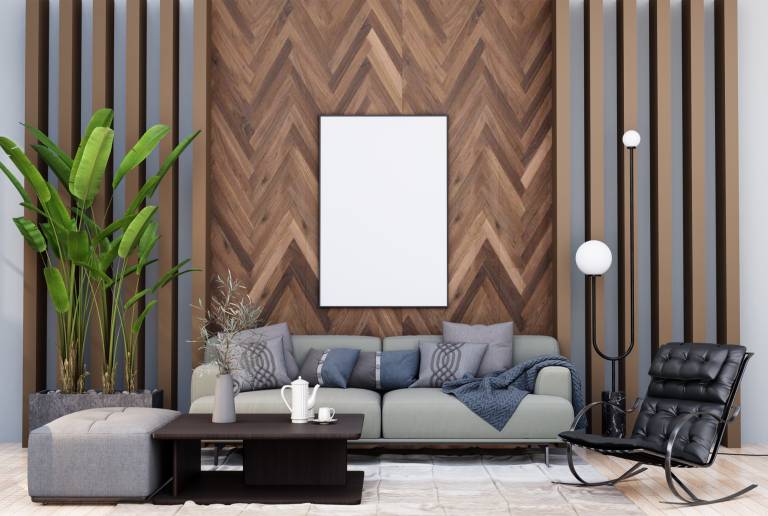
Match the style to your home. Simple, clean profiles suit modern and transitional homes, while layered, detailed molding fits traditional houses. Keep the style consistent with your baseboards and door casings so the trim feels like a set.
Materials: wood, MDF or polyurethane
MDF is affordable, smooth and paints beautifully, making it the most common choice for painted crown in dry rooms. Solid wood is durable and best if you want a stained finish. Polyurethane is lightweight, moisture resistant and good for bathrooms or detailed profiles.
How to paint crown molding
The paint finish is what makes crown molding look custom. A professional finish includes filling nail holes, caulking the joints along the wall and ceiling, sanding smooth and priming before two coats of paint. Semi-gloss is the standard for trim: it is durable, easy to clean and makes the profile stand out. Our guide to selecting the perfect paint finish explains why.
Color ideas for crown molding
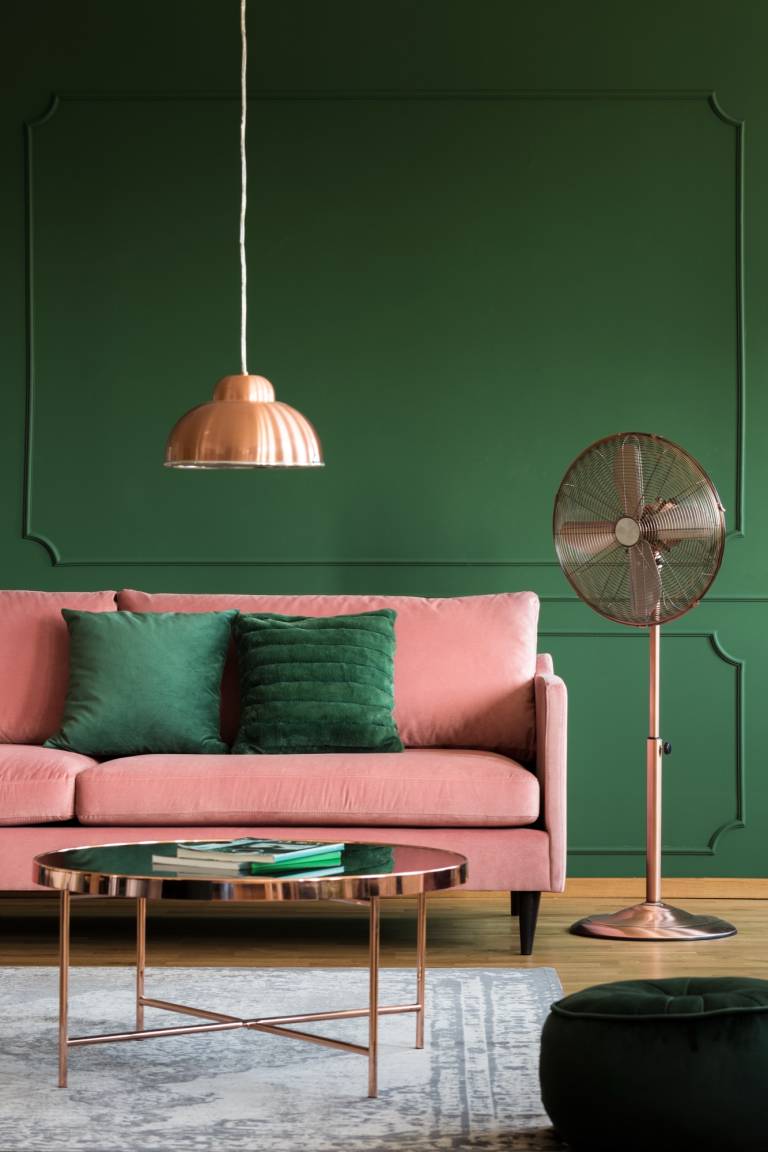
Classic white trim creates crisp contrast and works with almost any wall color. Trim matched to the ceiling makes the ceiling feel higher. Trim matched to the walls, in a higher sheen, gives a modern, tone-on-tone look. Dark molding with dark walls creates a cozy, dramatic room; see how to successfully pull off dark colored walls. To make a small room feel bigger, keep trim and walls light; read paint colors to make your room look bigger.
Where to add crown molding
Start with rooms where you spend the most time and receive guests: entryways, living rooms, dining rooms and primary bedrooms. Kitchens benefit too, where molding can tie cabinets to the ceiling for a built-in look; see our kitchen remodeling service. Bathrooms can have crown molding if you use moisture-resistant material and a semi-gloss finish.
Prep the walls and ceiling first
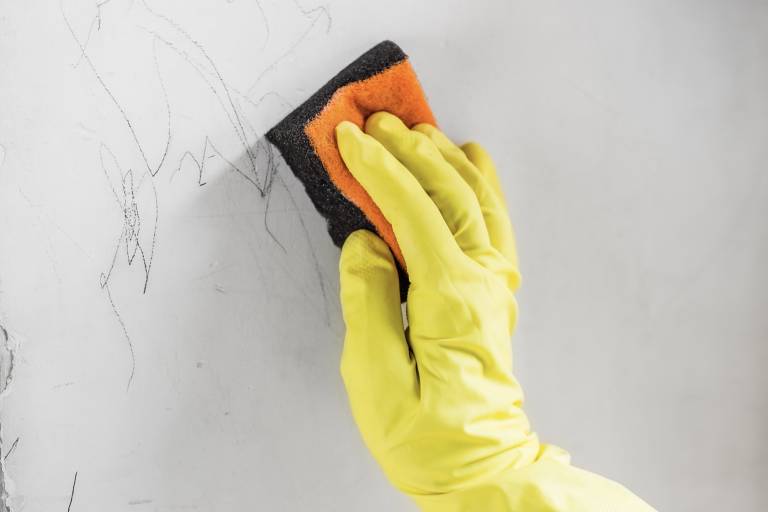
New trim highlights the walls around it, so it is the perfect time to fix cracks, nail pops and patchy texture. Our crews handle tape and bed repairs and texture matching before painting so everything looks seamless. Start with clean surfaces: should I clean my walls before painting?
Frequently asked questions
Should crown molding be the same color as the ceiling?
It can be. Matching crown to the ceiling makes the ceiling feel higher, while matching it to the other trim, usually white, creates a classic framed look. Both work; choose based on the effect you want.
Is crown molding outdated?
No. Simple, clean profiles look current in modern and transitional homes, and crown molding remains one of the most popular trim upgrades.
Can crown molding go in a room with 8-foot ceilings?
Yes. Choose a smaller profile of about 3 to 5 inches and paint it the ceiling or wall color to keep the room feeling open.
Give your home a finished look
Ssay Painting and Remodeling paints and refreshes trim, molding and walls across Dallas–Fort Worth with sharp lines and durable finishes. Explore our interior painting service, request a free quote or call (214)-317-6275.
Keep reading
- Should I Clean My Walls Before Painting?
- Guide to Selecting the Perfect Paint Finish
- Will Washing Your Painted Walls Ruin Them?