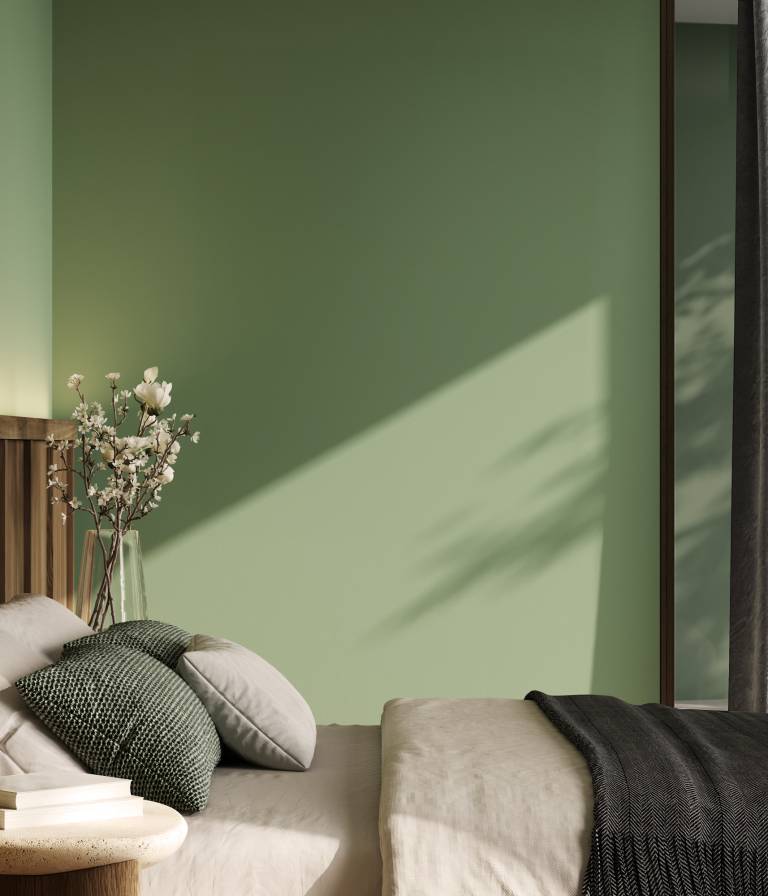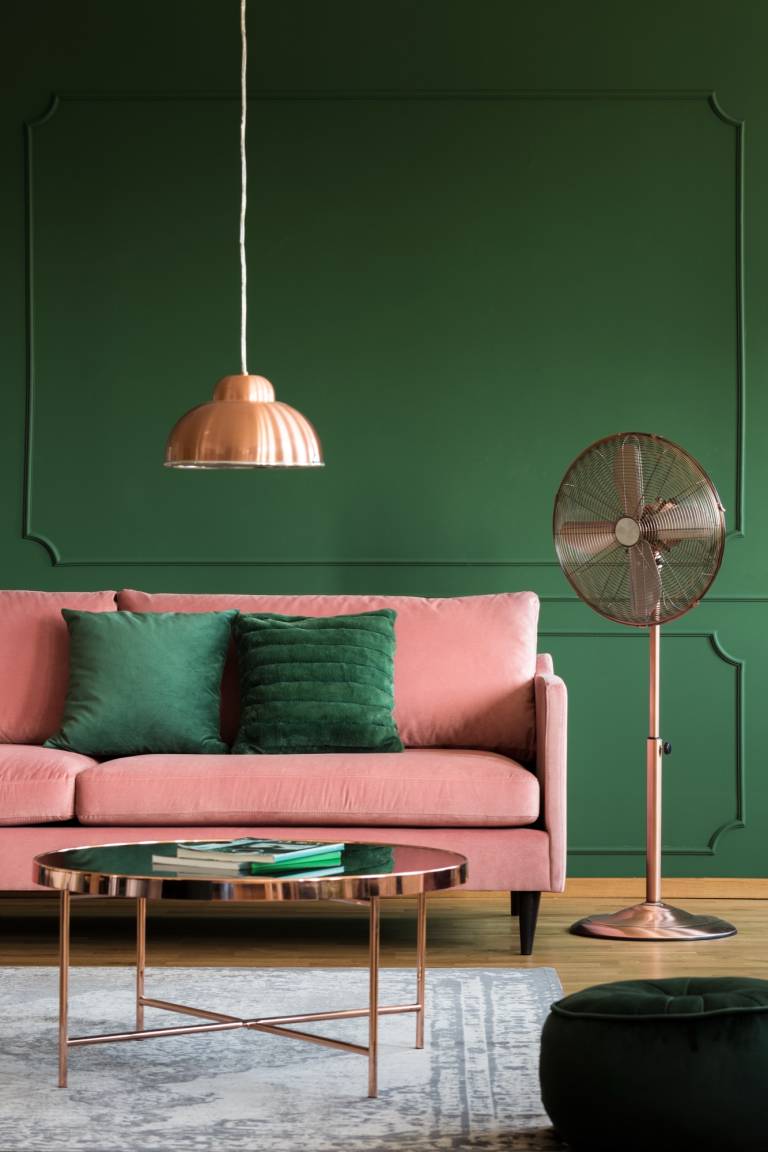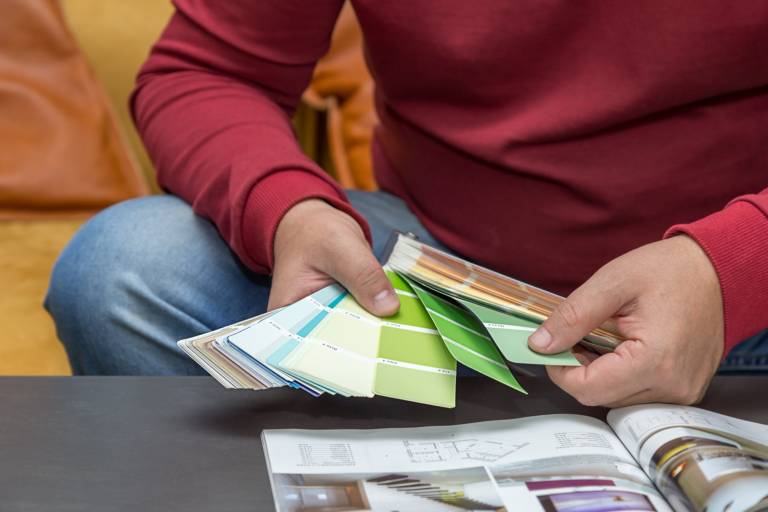
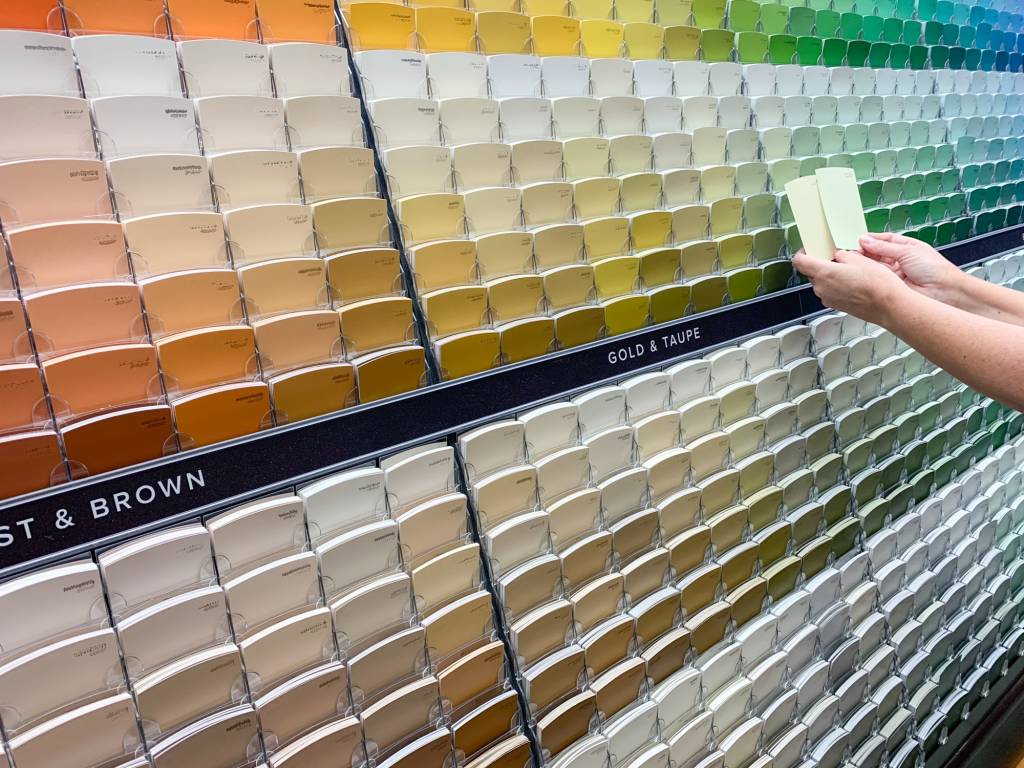
Paint chips are tiny, and they lie. A color that looks perfect on a two-inch square in the store can look completely different on four walls in your home. Lighting, room size, nearby colors and even your floors change how a color appears. Testing properly takes a little time, but it is far cheaper than repainting a whole room. Here is the step-by-step method we recommend to Dallas–Fort Worth homeowners.
Step 1: Narrow your choices first
Start by choosing two to four finalists, not ten. Consider the mood you want, the room’s light and the undertones in your flooring, countertops and furniture. For help, read what colors should I choose for my interior? and the most popular paint colors for rooms in a home.
Step 2: Use large samples
Small swatches are not enough. Use one of these options:
- Peel-and-stick samples are large, made with real paint and easy to move around the room.
- Sample poster boards: paint two coats on white poster board, about 2 by 2 feet.
- Sample pots on the wall: paint 2-foot squares directly on the wall, two coats each.
Poster boards and peel-and-stick samples are great because you can move them between walls and avoid leaving patches that might show through later.
Step 3: Test on several walls
Light hits every wall differently. Place samples on at least two or three walls, including one near a window and one in the darkest corner. Put them at eye level and near trim, so you can see how the color works with your white.
Step 4: Check at different times of day
Look at the samples in the morning, at midday, in the evening and at night with your lamps on. North-facing rooms look cooler; south-facing rooms look warmer; west-facing rooms glow orange at sunset. A gray that looks perfect at noon may turn blue at night. Take photos to compare.
Step 5: Isolate the sample
Your current wall color affects how the sample looks. Surround samples with white paper or test on white poster board to see the true color. Compare samples against each other, not just against the old paint.
Step 6: Test in the right sheen
Sheen changes color. Higher sheens look slightly lighter and brighter, while flat paint looks deeper and softer. If possible, test in the finish you plan to use. See our guide to selecting the perfect paint finish.
Step 7: Live with it for a few days
Do not decide in one afternoon. Leave samples up for two or three days and notice how you feel about them as you walk by. The color you keep looking at with a smile is usually the right one.
Special cases
Dark colors need extra testing because they shift dramatically with light; read how to successfully pull off dark colored walls. Whites have subtle undertones that only show on large areas; see how to paint your walls white without being boring. Exterior colors look much lighter in Texas sun, so test on several sides of the house; see painting to match your home’s exterior.
Frequently asked questions
How big should a paint sample be?
At least 2 by 2 feet. Larger samples give a much more accurate impression than small chips.
Can I paint samples directly on the wall?
Yes, but sand the edges lightly before painting the room, or the patches may show through. Poster boards avoid this problem.
How many coats should a sample have?
Two coats, just like the final job. One coat looks lighter and patchy.
Do paint colors look darker on the wall?
Usually yes. Color intensifies over a large area, so many people choose a shade one step lighter than the chip they love.
Should I test paint colors in every room?
Test in every room where you plan to use a new color. The same shade can look noticeably different in a sunny living room and a dim hallway.
How long should I leave paint samples up?
Two to three days is ideal. Seeing samples at different times of day, and in different moods, leads to a decision you will be happy with.
Let a pro help you choose
Our color consultation brings professional samples and expert advice to your home, and our crew handles the interior painting once you decide. Request a free quote or call (214)-317-6275.
Keep reading
- Paint Colors for the Perfect Zen Room
- Types of accent colors perfect for any home
- Most Popular Paint Colors for Rooms in a Home